
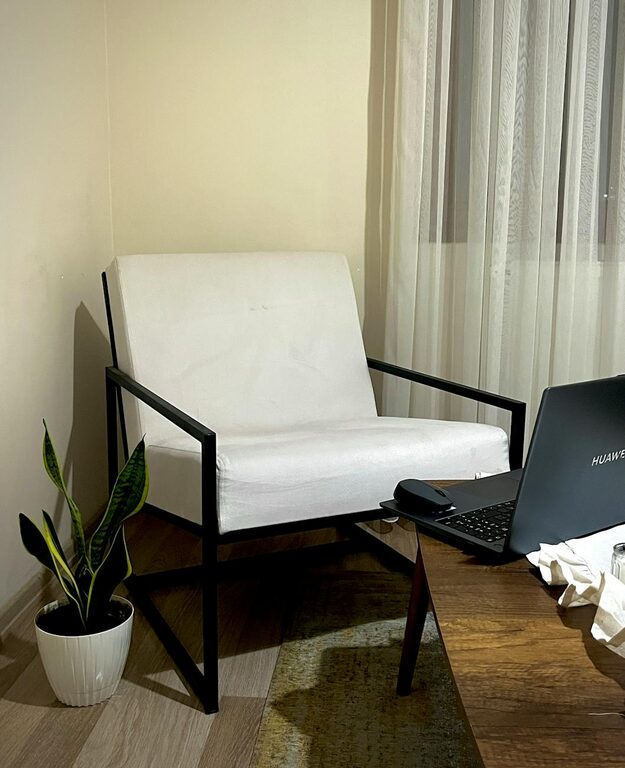
Creating a home office that combines comfort and functionality can significantly improve your work-from-home experience. A well-designed workspace not only makes your daily tasks easier but also helps you stay motivated and focused throughout the day. Whether you have a dedicated room or just a small corner, these tips will help you build a cozy, productive home office.
Choose the Right Location
Your home office location plays a major role in setting the tone for your workday. Here are some points to consider:
– Natural Light: Aim to place your desk near a window to take advantage of natural light. It reduces eye strain and enhances mood.
– Quiet Space: Select a low-traffic area where you can concentrate without frequent interruptions.
– Avoid Cluttered Areas: Stay away from noisy or cluttered spaces like kitchens or living rooms to minimize distractions.
Invest in Comfortable and Ergonomic Furniture
Comfort is key when it comes to long hours at your desk. Ergonomic furniture supports your posture and prevents physical discomfort:
– Chair: Choose a chair with adjustable height, lumbar support, and comfortable padding.
– Desk: Pick a desk with enough surface space for your computer, work materials, and a little personal touch.
– Adjustable Accessories: Consider a keyboard tray, monitor stands, or footrests to reduce strain.
Organize Your Space Efficiently
A clutter-free environment helps maintain focus and reduces stress. To stay organized:
– Use Storage Solutions: Shelves, filing cabinets, and drawer organizers keep your documents and supplies in place.
– Desk Organizers: Use pen holders, cable clips, and document trays for easy access to essentials.
– Digital Organization: Keep your computer desktop and files well-organized for quick retrieval.
Personalize Your Workspace
Adding personal touches can make your office feel inviting and inspiring, increasing your sense of belonging:
– Decor: Add artwork, photos, or plants that uplift your mood.
– Color Scheme: Choose colors that reflect your personality and promote calmness or creativity depending on your needs.
– Lighting: Use a combination of natural and soft ambient lighting. Desk lamps or string lights can create a cozy atmosphere.
Minimize Distractions
To maintain productivity, it’s essential to reduce distractions:
– Noise Control: Use headphones, white noise machines, or soft background music.
– Notifications Management: Turn off non-essential notifications during focused work periods.
– Dedicated Work Hours: Establish clear boundaries with household members about your work schedule.
Enhance Technology Setup
Technology should help, not hinder, your workflow:
– Reliable Internet: Ensure a stable and fast internet connection.
– Adequate Equipment: Invest in good-quality monitors, keyboards, and webcams if needed.
– Cable Management: Use clips and sleeves to keep cords tidy and prevent clutter.
Incorporate Break-Friendly Features
Taking breaks is important for productivity and well-being:
– Comfortable Seating: Add a small couch or an armchair for relaxation during breaks.
– Movement Space: Make room for stretching or light exercises.
– Refreshment Area: Consider a small table for water, tea, or snacks nearby.
Keep It Flexible
Your needs may change over time, so design a space that can adapt:
– Modular Furniture: Choose pieces that can be easily moved or reconfigured.
– Multipurpose Areas: If space is limited, use foldable desks or convertible furniture.
– Regular Updates: Periodically refresh your setup to keep it inspiring.
—
By combining these elements, you can create a home office that feels not only cozy and welcoming but also highly functional. Remember, the ideal workspace is one that supports your work habits, nurtures your comfort, and fits naturally into your everyday life.