Creating a relaxing home workspace is essential for anyone working from home or pursuing personal projects. A peaceful environment can reduce stress and improve concentration, helping you stay productive throughout the day. In this post, we’ll explore practical tips and ideas to design a workspace that promotes calmness and efficiency.
Why a Relaxing Workspace Matters
Your work environment greatly influences your mood and output. A cluttered, noisy, or uncomfortable space can lead to distractions and burnout. On the other hand, a well-organized and soothing workspace can encourage creativity, focus, and a balanced mindset. When you feel relaxed, you are more likely to handle tasks effectively and maintain motivation.
Choose the Right Location
Find a Quiet Corner
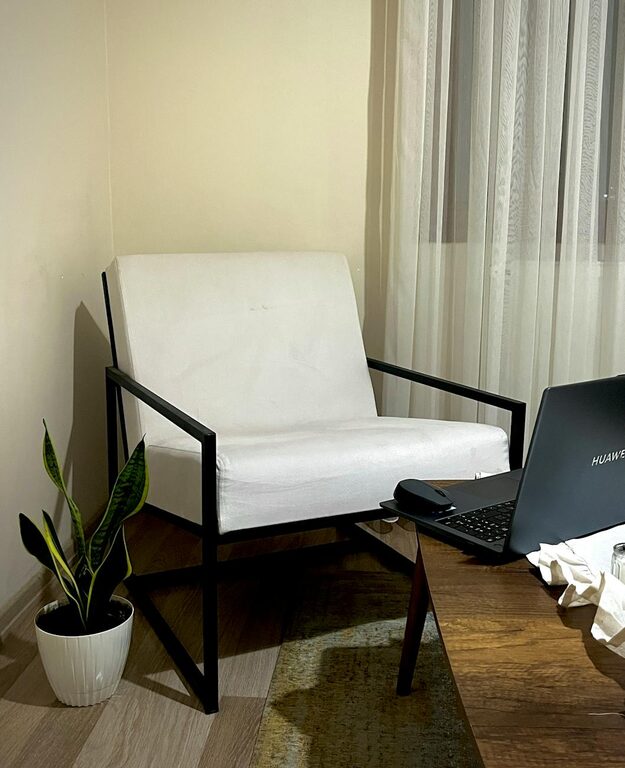
Pick a spot in your home that has minimal foot traffic and noise. If you can, avoid high-traffic areas like the kitchen or living room during busy hours. A quiet corner creates fewer distractions and helps you stay focused.
Utilize Natural Light
Position your desk near a window to take advantage of natural sunlight. Exposure to natural light can boost your mood and energy levels. If natural light is limited, use soft, warm artificial lighting instead of harsh fluorescents.
Invest in Comfortable Furniture
Comfort is key when setting up a home workspace.
– Ergonomic Chair: Choose a chair that supports your back and encourages good posture.
– Adjustable Desk: Consider a desk that allows you to switch between sitting and standing.
– Proper Desk Size: Ensure your desk is spacious enough for your computer, documents, and other essentials without feeling cramped.
Declutter and Organize
A tidy workspace promotes relaxation and efficiency.
– Minimal Desk Items: Keep only what you use daily on your desk.
– Storage Solutions: Use shelves, drawers, or boxes to keep supplies organized and out of sight.
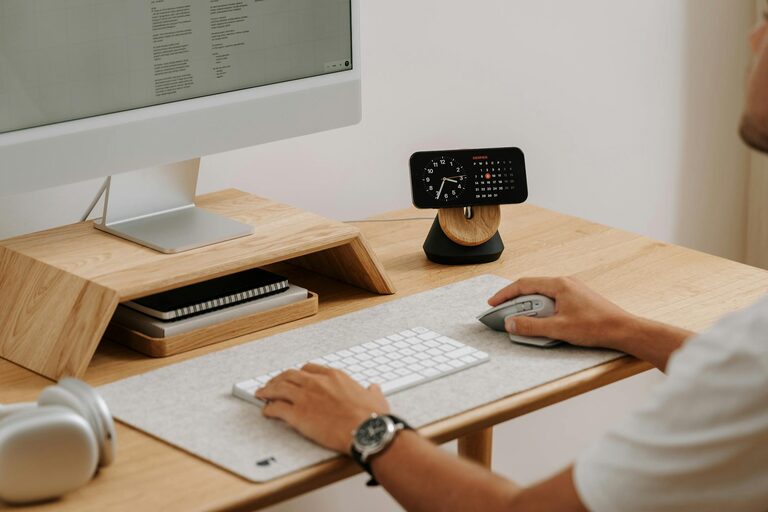
– Cable Management: Use clips or sleeves to keep cables neat and prevent tangling.
Add Personal Touches
Personalizing your workspace can make it more inviting and enjoyable.
– Plants: Incorporate small indoor plants to add freshness and improve air quality.
– Artwork or Photos: Display inspiring images or family photos to boost your mood.
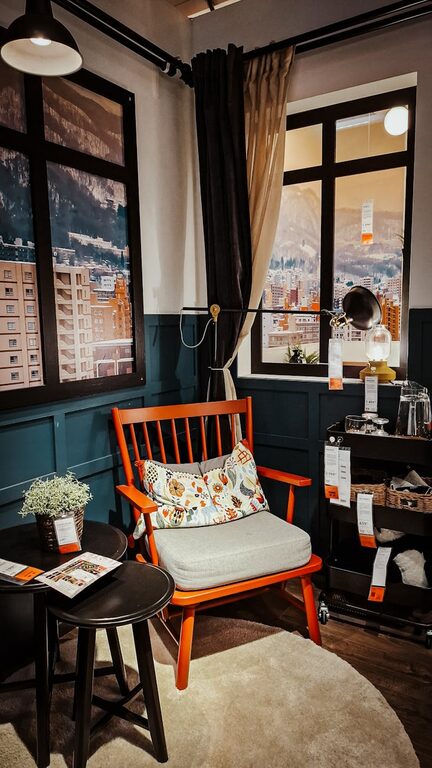
– Color Choices: Use calming colors like blue, green, or soft neutrals to create a peaceful atmosphere.
Control Noise and Distractions
Use Noise-Cancelling Headphones
If your environment is noisy, noise-cancelling headphones can help you concentrate by blocking out distractions.
Background Sounds
Some people find ambient sounds or white noise helpful. Consider using soft music, nature sounds, or white noise apps to maintain focus.
Create a Routine and Boundaries
Having clear work routines and boundaries can reduce stress.
– Set Work Hours: Establish consistent start and finish times.
– Break Time: Schedule regular breaks to rest your eyes and stretch.
– Separate Work and Relaxation: Avoid working in your bedroom or relaxation areas to keep clear mental boundaries.
Keep Your Workspace Fresh and Inviting
– Regular Cleaning: Dust and clean your workspace frequently to keep it inviting.
– Fresh Air: Open windows occasionally to circulate fresh air.
– Aromatherapy: Light a subtle scented candle or use essential oils like lavender or eucalyptus to enhance relaxation.
Use Technology Wisely
Minimize digital distractions by:
– Turning off unnecessary notifications.
– Using apps that help you stay focused, like timers or focus blockers.
– Keeping your computer desktop organized.
Final Thoughts
Designing a relaxing home workspace is about creating an environment where you feel comfortable, focused, and inspired. By selecting the right location, keeping it tidy, personalizing your space, and managing distractions, you can significantly improve your productivity and well-being. Start with small changes and adjust your setup to find what works best for you.
Remember, your workspace should serve you — make it a place you look forward to spending time in every day!