Creating a cozy and inviting home workspace is essential for anyone who spends significant time working or studying at home. A well-designed workspace can improve your mood, enhance focus, and even increase productivity. Whether you have a dedicated room or just a small corner, there are plenty of easy ways to make your workspace more comfortable and appealing. This guide shares helpful tips to create a home workspace where you’ll enjoy spending time.
Choose the Right Location
Finding the ideal spot in your home is the first step. Here are some things to consider:
– Natural Light: Position your desk near a window if possible. Natural light reduces eye strain and creates a pleasant atmosphere.
– Quiet Area: Choose a place away from high-traffic zones to minimize distractions.
– Space: Make sure there’s enough room for your work essentials and movement.
Invest in Comfortable Furniture
Your furniture plays a crucial role in comfort and productivity.
– Ergonomic Chair: Select a chair that supports your back and encourages good posture. This can help prevent pain during long work hours.
– Appropriate Desk: Your desk should match your height and workspace needs. Adjustable desks that allow standing and sitting can be a great option.
– Footrest and Accessories: Consider adding a footrest or wrist support to enhance comfort.
Organize and Declutter
An organized workspace helps clear your mind.
– Storage Solutions: Use shelves, drawers, and organizers to keep everything in place.
– Declutter Regularly: Remove items that don’t belong or aren’t frequently used.
– Cable Management: Use clips or sleeves to keep cords tidy and prevent tangling.
Personalize Your Space
Adding personal touches makes a workspace inviting.
– Colors and Decor: Choose calming colors or your favorite tones. Simple wall art, photos, or plants can brighten the area.
– Inspiring Items: Keep motivational quotes or small keepsakes nearby to encourage positivity.
– Comfort Items: Add a cozy blanket or a soft cushion for extra warmth and comfort.
Optimize Lighting
Proper lighting is important for eye health and work efficiency.
– Layered Lighting: Combine natural light with task lighting like desk lamps.
– Adjustable Brightness: Use lights with dimming options to adapt to different times of day.
– Reduce Glare: Position screens and lights carefully to avoid glare.
Manage Noise Levels
Noise can disrupt concentration, so finding solutions is key.
– Noise-Canceling Headphones: Useful if you’re in a noisy environment.
– White Noise Machines or Music: Play soft background sounds to block distractions.
– Soundproofing: Consider rugs, curtains, or acoustic panels to dampen noise.
Incorporate Greenery
Plants are great for improving air quality and creating a peaceful vibe.
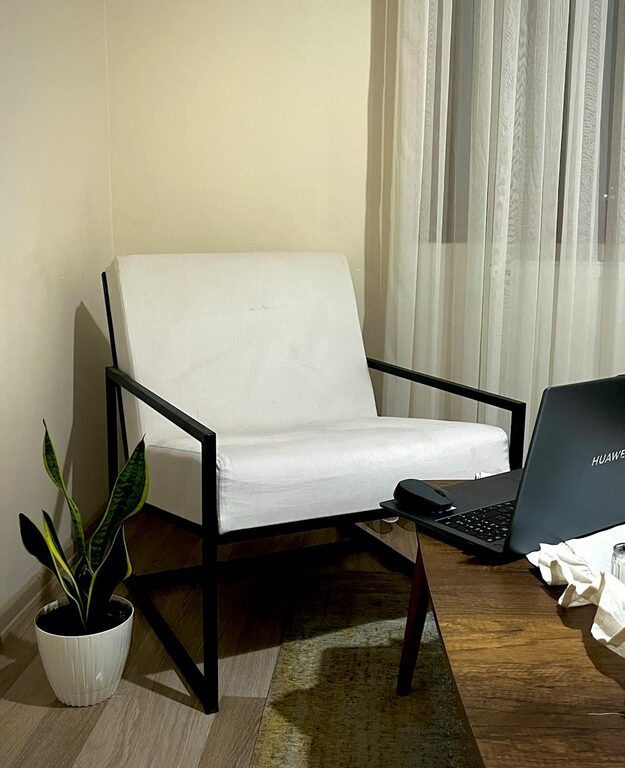
– Choose easy-care plants like succulents, snake plants, or pothos.
– Place plants on your desk or nearby shelves for visual appeal.
– Gardening breaks can be a nice way to refresh your mind during work.
Set a Comfortable Temperature
A workspace that’s too hot or cold can be distracting.
– Use a fan, space heater, or adjust the thermostat to maintain a comfortable temperature.
– Dress in layers to adapt to changes throughout the day.
Use Technology Wisely
Technology should enhance, not hinder, your workflow.
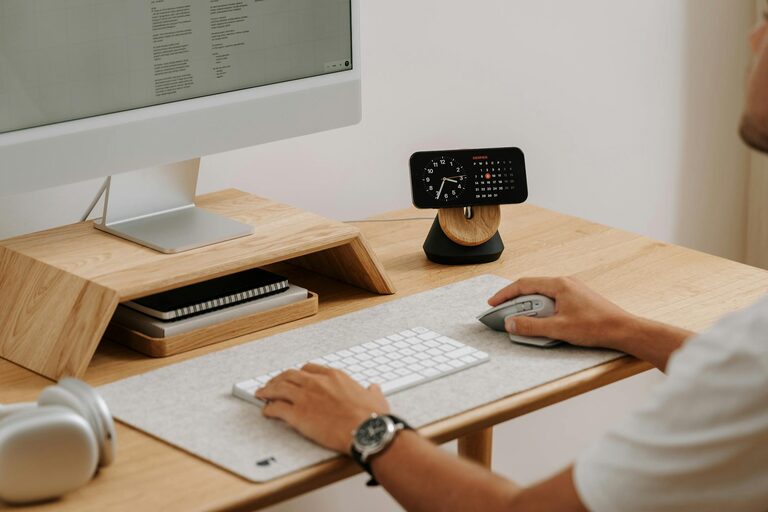
– Invest in a good quality monitor, keyboard, and mouse.
– Keep your software updated for efficiency.
– Use apps or tools to manage tasks and stay organized, but avoid digital clutter.
Create Boundaries
If your workspace is part of a shared room or area, setting boundaries helps separate work from home life.
– Use screens or curtains to define your space.
– Communicate with family or housemates about your work hours.
– Avoid using your workspace for relaxing activities to maintain focus.
—
By thoughtfully combining comfort, organization, and personal style, you can create a home workspace that feels cozy and inviting. Experiment with these tips to find what works best for you. A pleasant workspace doesn’t just make work easier—it makes it more enjoyable, too.