
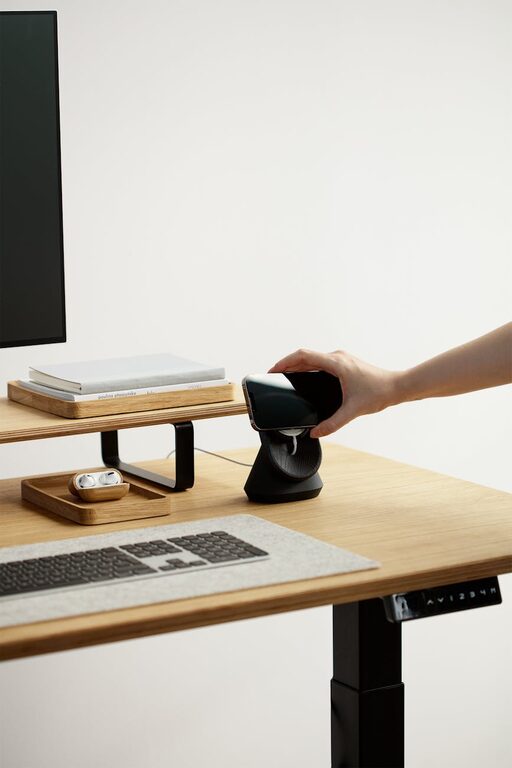
Creating a home office that is both cozy and productive can significantly enhance your work experience, whether you’re working remotely full-time or just need a dedicated spot for occasional tasks. A well-designed workspace not only improves focus but also supports your well-being throughout the day. This post will guide you through simple yet effective tips to help you establish a comfortable and efficient home office space.
Choose the Right Location
Finding the perfect spot for your home office is the first step. Ideally, this should be a quiet area with minimal distractions.
– Natural Light: Pick a space near a window to take advantage of natural light, which boosts mood and reduces eye strain.
– Privacy: If possible, select a room or corner where you can close the door or create a boundary to minimize interruptions.
– Space Size: Ensure there’s enough room for your desk, chair, and any equipment or storage you need without feeling cramped.
Invest in Comfortable and Ergonomic Furniture
Comfort is key to maintaining productivity over long hours.
– Ergonomic Chair: Choose a chair that supports your back and encourages good posture to avoid discomfort or injury.
– Desk Height: Your desk should accommodate your work style and equipment, ideally allowing you to keep your arms at a 90-degree angle.
– Consider a Standing Desk: Switching between sitting and standing can help reduce fatigue and improve circulation.
Organize Your Workspace Efficiently
A clutter-free environment promotes better focus and efficiency.
– Storage Solutions: Use shelves, drawers, or filing cabinets to keep documents and supplies out of sight yet easily accessible.
– Desk Organization: Keep only essential items on your desk to avoid distractions. Use organizers for pens, notepads, and devices.
– Cable Management: Use clips, sleeves, or cable boxes to keep wires tidy and prevent tangling.
Personalize Your Space
Adding personal touches makes your office feel welcoming and inspiring.
– Decor: Incorporate artwork, plants, or photos that bring you joy without overwhelming the space.
– Colors: Choose soothing colors that promote concentration, like light blues, greens, or neutral tones.
– Lighting: Aside from natural light, use adjustable desk lamps or warm-toned bulbs to create a cozy atmosphere.
Minimize Noise and Distractions
A quiet environment supports uninterrupted work sessions.
– Soundproofing: Use rugs, curtains, or weather stripping to dampen outside noise.
– Noise-Canceling Headphones: These can be a great investment if you work in a lively household.
– Set Boundaries: Communicate your working hours to family or housemates to reduce disruptions.
Set Up Efficient Technology
Reliable and easy-to-use technology helps you stay productive.
– Fast Internet: Ensure your internet connection is fast and stable to avoid technical interruptions.
– Multiple Monitors: Using more than one screen can improve workflow and reduce time spent switching windows.
– Backup Tools: Keep a charger, external hard drive, or printer nearby to avoid frustration if something fails.
Maintain a Healthy Routine
Your workspace should support not only work but also well-being.
– Break Area: If possible, create a small spot nearby for breaks, like a comfy chair or a corner with a few books.
– Move Regularly: Stand up, stretch, or take brief walks to avoid sitting for long periods.
– Air Quality: Keep your space ventilated and consider adding indoor plants that improve air quality.
Keep It Flexible and Evolving
Your needs may change over time, so your office should be adaptable.
– Modular Furniture: Use pieces that can be rearranged or repurposed as needed.
– Review and Refresh: Periodically assess your setup and make adjustments to enhance comfort or productivity.
– Experiment: Don’t hesitate to try different layouts, lighting, or organizational methods until you find what works best.
—
By combining these elements, you can create a home office that feels inviting and supports your daily tasks efficiently. A cozy and productive workspace leads to better focus, satisfaction, and ultimately a more balanced work-life experience. Start with small changes and gradually build your ideal home office that fits your personal style and work habits.